
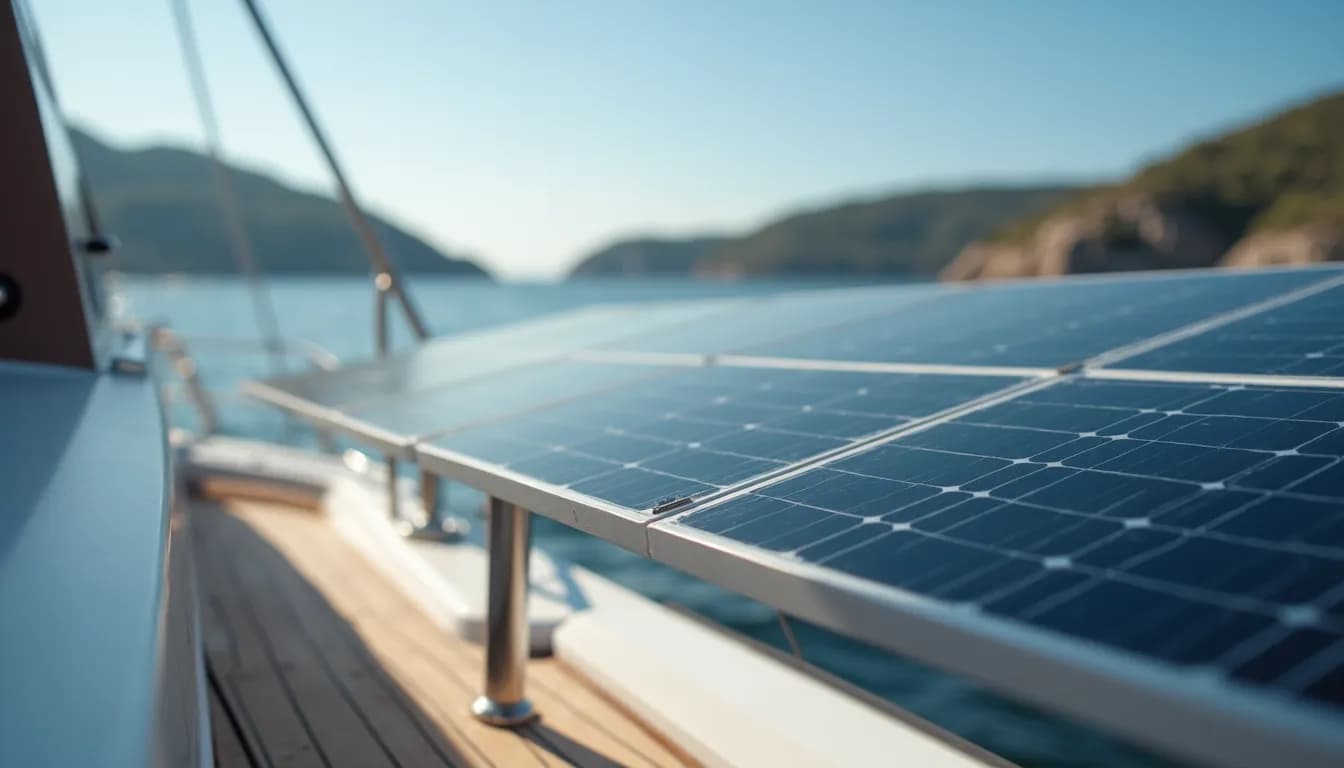
When it comes to powering your yacht sustainably, solar panels are a game-changer. They offer a clean, quiet, and efficient way to keep your batteries charged while you enjoy the open water. But choosing the right solar panels for marine use can feel overwhelming. What size do you need? Which type works best on a yacht? How do you install them without spoiling your boat's sleek look? I've navigated these waters myself, and I'm here to share everything I've learned about selecting solar panels for UK yachts.
Why Solar Panels for Marine Use Make Sense
Solar panels are no longer just for rooftops or remote cabins. On yachts, they provide a reliable source of power that reduces reliance on noisy generators or shore power. Imagine cruising along the coast with your fridge running, lights on, and gadgets charged - all powered by the sun.
Here's why solar panels are a smart choice for marine use:
- Silent operation: No engine noise or fumes.
- Fuel savings: Less need to run your engine just to charge batteries.
- Eco-friendly: Reduce your carbon footprint while enjoying nature.
- Low maintenance: Once installed, solar panels require minimal upkeep.
- Extended trips: More power means longer stays off-grid.
For yachts in the UK, where sunshine can be unpredictable, solar panels still perform well thanks to advances in technology. Even on cloudy days, they generate enough energy to keep essential systems running.
Types of Solar Panels Suitable for Yachts
Choosing the right type of solar panel is crucial. There are three main types to consider:
1. Monocrystalline Panels
These are the most efficient and durable panels available. They have a sleek black appearance and perform well in low-light conditions. Their high efficiency means you can generate more power from a smaller surface area - perfect for yachts with limited space.
2. Polycrystalline Panels
Polycrystalline panels are slightly less efficient but usually more affordable. They have a blueish hue and work well in direct sunlight. However, they take up more space for the same power output compared to monocrystalline panels.
3. Flexible Solar Panels
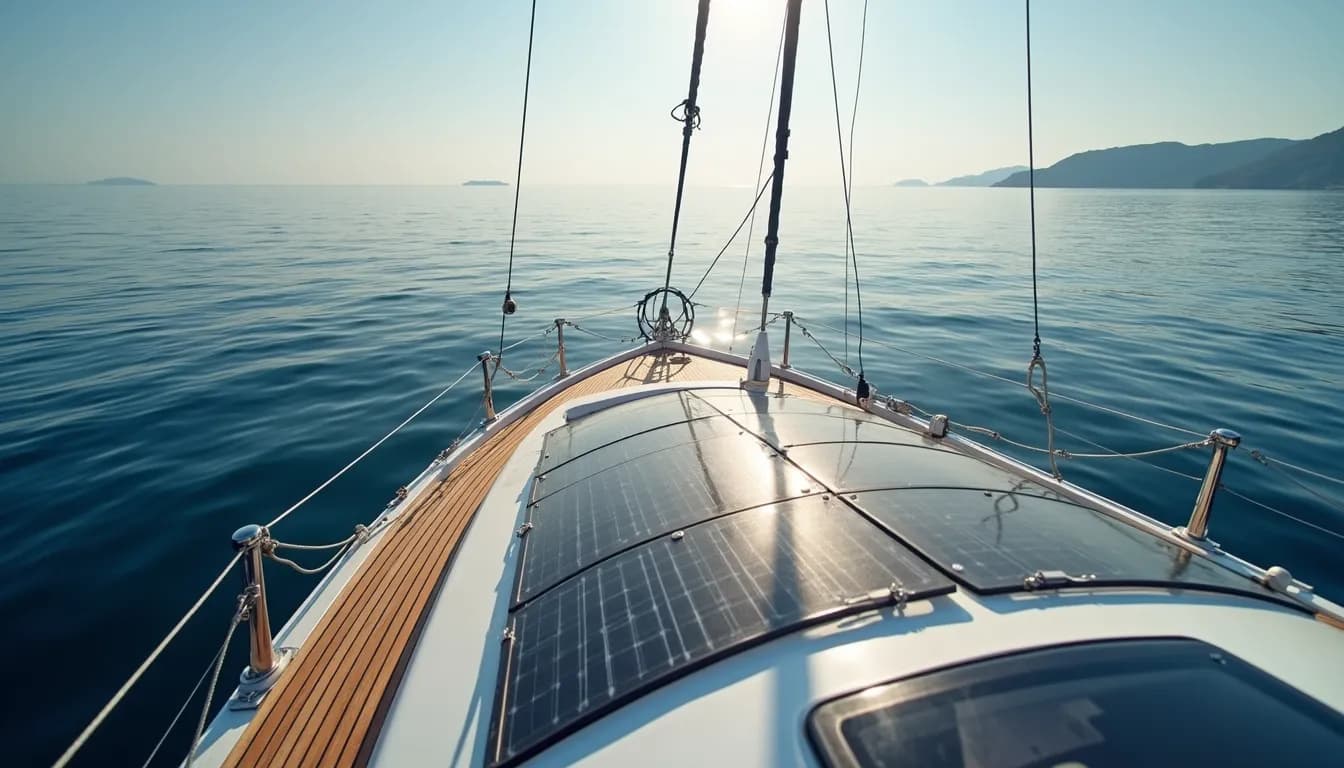
Flexible panels are lightweight and can bend to fit curved surfaces. They are ideal for mounting on curved decks or bimini tops. While they are less efficient than rigid panels, their versatility and ease of installation make them popular for marine use.
When selecting panels, consider your yacht's layout and how much space you can dedicate to solar. For example, catamarans often have more deck space for larger arrays, while monohulls may benefit from flexible panels on curved surfaces.
How to Size Your Solar Panel System
Sizing your solar panel system correctly is key to meeting your energy needs without overspending. Here's a simple way to estimate what you need:
- Calculate your daily energy consumption: Add up the watt-hours used by all your electrical devices each day. For example, a fridge might use 50Wh per hour, running 24 hours = 1200Wh daily.
- Consider sunlight hours: In the UK, average effective sunlight is about 3-4 hours per day.
- Divide your daily consumption by sunlight hours: This gives you the wattage of solar panels needed. For example, 1200Wh / 4 hours = 300W panel array.
- Add a buffer: It's wise to add 20-30% extra capacity to account for cloudy days and system losses.
Don't forget to factor in your battery bank size and charging controller capacity. A well-matched system ensures efficient charging and longer battery life.
Installation Tips for Marine Solar Panels
Installing solar panels on a yacht requires careful planning to balance performance, aesthetics, and durability. Here are some tips I've found useful:
- Choose the right mounting location: Look for areas with maximum sun exposure and minimal shading. Popular spots include the bimini top, solar arch, or flat deck surfaces.
- Use marine-grade materials: Saltwater and sun exposure can be harsh. Use stainless steel fittings and UV-resistant cables.
- Consider a solar arch: A custom solar arch not only provides a sturdy mounting point but also enhances your yacht's look. It keeps panels elevated and angled for optimal sun capture.
- Ensure proper wiring and protection: Use waterproof connectors and fuse protection to prevent electrical issues.
- Angle your panels: If possible, tilt panels towards the sun to boost efficiency, especially during low sun angles in winter.
Professional installation is recommended to ensure safety and system longevity. However, if you're handy, many kits come with clear instructions for DIY setup.
Maintaining Your Solar Panels at Sea
Once installed, solar panels require surprisingly little maintenance. Still, a few simple steps keep them performing at their best:
- Regular cleaning: Salt spray and bird droppings can reduce efficiency. Use fresh water and a soft cloth to clean panels every few weeks.
- Inspect wiring: Check for corrosion or loose connections, especially after rough weather.
- Monitor output: Use a solar charge controller with a display to track power generation and battery status.
- Protect from damage: Avoid stepping on panels and secure them well to withstand strong winds.
With proper care, marine solar panels can last 20 years or more, providing reliable power for countless voyages.
Why Choose Yacht Solar Arches for Your Solar Setup?
If you're serious about integrating solar power into your yacht, consider investing in a custom solar arch. Yacht Solar Arches specialises in bespoke marine metal fabrications designed to fit your vessel perfectly. Their solar arches not only provide a robust platform for your panels but also enhance your yacht's aesthetics and functionality.
By choosing a tailored solution, you get:
- Optimised panel positioning for maximum sun exposure.
- Durable, corrosion-resistant materials built for marine environments.
- A sleek, professional finish that complements your yacht's design.
- Expert advice and support throughout the process.
For those looking to upgrade or install new solar panels, Yacht Solar Arches is a trusted partner that understands the unique needs of yachts in the UK and beyond.
Power Your Yacht with Confidence
Choosing the right solar panels for marine use is an investment in freedom and sustainability. With the right system, you can enjoy longer trips, quieter nights, and a greener footprint. Whether you own a catamaran, monohull, or powerboat, there's a solar solution tailored to your needs.
Remember to:
- Assess your energy needs carefully.
- Pick the right panel type and size.
- Plan your installation with durability and aesthetics in mind.
- Maintain your system regularly for peak performance.
With these tips, you'll harness the power of the sun and keep your yacht running smoothly on every adventure. Here's to sunny days and calm seas!